
The evolution of casinos tracing the path from ancient games to modern gambling hubs
The Origins of Gambling
The history of gambling can be traced back to ancient civilizations, where games of chance played a significant role in cultural practices. Archaeological finds reveal that ancient Chinese societies were using rudimentary forms of gambling as early as 2300 BC, featuring dice made from bones. Similarly, the Egyptians had their own version of gambling, utilizing senet, a board game believed to intertwine elements of luck and strategy, demonstrating that the allure of chance has been a human fascination for millennia. Many enjoy engaging with modern iterations, like the aviator game, which reflects this timeless excitement.

In ancient Rome, gambling was commonplace, often associated with gladiatorial contests and chariot races. The Romans created a variety of betting games, and their love for risk is reflected in their expansive architecture, which housed various forms of entertainment. This era established the foundation for future gambling establishments, introducing organized betting and public venues that would eventually evolve into the modern casino structure.
The religious and social implications of gambling also played a critical role in its evolution. While some cultures embraced gambling as a form of entertainment and community bonding, others viewed it with skepticism or outright prohibition. However, the undeniable allure of chance continued to draw people into games, paving the way for the development of more sophisticated gambling frameworks in later centuries.
The Birth of Modern Casinos
The transformation from informal gambling to structured casinos began in the 17th century with the establishment of the first official gambling houses in Venice, known as Ridotto. These venues offered a controlled environment for gambling, featuring games like baccarat and early versions of poker. The Ridotto set a precedent for future gaming establishments by implementing rules, regulations, and an organized approach to gambling that prioritized player safety and fair play.
As the concept of casinos spread across Europe, the 18th century saw the emergence of famous gaming houses such as the Casino de Monte-Carlo in Monaco. This iconic establishment not only attracted the elite but also contributed to the glamour and allure surrounding gambling. The development of these early casinos marked a shift in gambling from a mere pastime to a lavish experience, complete with opulent décor, fine dining, and high-stakes gaming, setting the stage for the modern casino industry.
By the 19th century, the United States began to carve its niche in the gambling landscape, with the introduction of riverboat casinos along the Mississippi River. These floating gambling houses allowed for a unique blend of entertainment and chance, quickly becoming a popular choice for travelers and locals alike. This era underscored the idea that casinos could serve not just as places to gamble but also as entertainment hubs, further solidifying their place in society.
The Rise of Las Vegas and Global Gambling Trends
The 20th century marked a significant turning point for casinos, particularly with the rise of Las Vegas as the gambling capital of the world. Originally a sleepy desert town, Las Vegas transformed into a dazzling metropolis, known for its extravagant hotels and casinos. The legalization of gambling in Nevada in 1931 laid the groundwork for the development of iconic establishments like The Flamingo and The Bellagio, which offered not just gaming but also high-end entertainment, dining, and nightlife.
As casinos evolved, so did the gaming options available to players. Traditional table games expanded to include slot machines, keno, and more modern games like poker tournaments. The introduction of these diverse gaming experiences allowed casinos to cater to a broader audience, appealing to those who enjoyed both skill-based games and games of chance. This diversification was crucial in establishing casinos as multi-faceted entertainment hubs rather than just places for gambling.
Simultaneously, the global gambling landscape began to expand, with countries like Macau, Singapore, and various Caribbean nations establishing their own gaming industries. These locations adopted elements from Las Vegas while infusing their cultural nuances, creating unique gambling experiences that attracted international visitors. This globalization of the casino industry continues to grow, reflecting shifting attitudes towards gambling and a desire for new and exciting entertainment options.
The Digital Revolution in Gambling
The advent of the internet in the late 20th century dramatically changed the gambling industry, giving birth to online casinos that offered players the convenience of gaming from their own homes. This digital transformation allowed for an unprecedented expansion of gambling options, with players accessing a wide variety of games, including live dealer options, from the comfort of their devices. Online casinos quickly gained popularity, catering to a new generation of gamers who preferred the convenience and accessibility of digital platforms.
Mobile gaming further revolutionized the industry, allowing players to gamble on the go. With the rise of smartphones, online casinos optimized their platforms for mobile devices, providing users with seamless experiences across various screen sizes. The ability to play anytime and anywhere has made gambling more accessible than ever, attracting a diverse demographic that includes casual players and serious gamblers alike.
However, the shift to digital platforms also raised concerns regarding regulation and responsible gambling practices. As more players engaged with online casinos, ensuring a safe and fair gaming environment became paramount. Regulatory bodies have since stepped in to establish guidelines that protect players and promote responsible gambling. This evolution in technology has not only diversified the gambling experience but has also necessitated a focus on ethics and accountability within the industry.
Exploring Modern Gambling Hubs
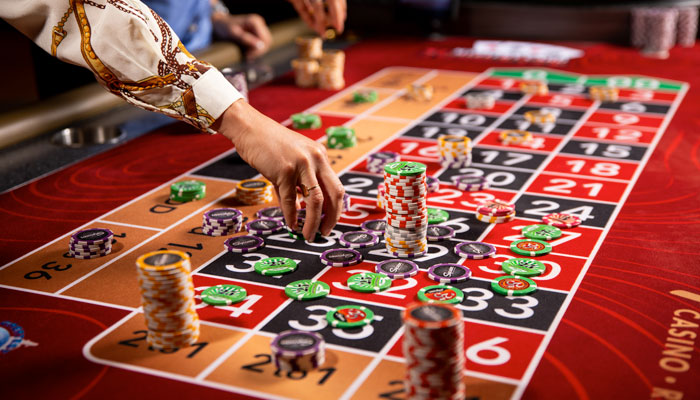
Today, casinos have become sophisticated enterprises that offer a blend of gaming, luxury, and entertainment. Modern gambling hubs are designed to create immersive experiences, featuring world-class amenities such as fine dining, shopping, and live performances. Establishments like The Venetian and Caesars Palace in Las Vegas epitomize this trend, providing guests with an all-encompassing experience that extends far beyond the gaming tables.
Furthermore, the rise of resorts and integrated casino complexes has transformed the way people perceive gambling. Rather than being seen as a singular activity, gambling is now part of a larger lifestyle choice, attracting tourists and locals who seek comprehensive entertainment experiences. As such, casinos have adapted to meet these demands, offering everything from spa services to family-friendly attractions.
Looking ahead, the future of casinos appears to be marked by innovation and adaptability. As technologies evolve and player preferences shift, casinos must continue to embrace change to remain relevant. The integration of virtual reality and artificial intelligence could redefine the gaming experience, ushering in an exciting new era for the gambling industry.