
Understanding the fundamentals of gambling A beginner’s guide
What is Gambling?
Gambling is the act of wagering money or valuables on an event with an uncertain outcome, primarily driven by chance. It encompasses a wide range of activities, from traditional casino games like poker and blackjack to modern online games and sports betting. Understanding the basic premise of gambling is essential for anyone looking to engage in it, as it helps set realistic expectations about winning and losing. Many players are drawn to games like crash where they can experience fun and strategy; for example, Aviamasters South Africa engages players with its exciting mechanics.

At its core, gambling involves a risk-reward dynamic, where participants are motivated by the possibility of winning a payout. This intrinsic thrill often attracts many individuals, making gambling a popular pastime. However, it’s crucial for beginners to grasp that while some games may allow for skill and strategy, luck predominantly dictates the outcome in most forms of gambling.
The Different Types of Gambling
Gambling can be broadly categorized into various types, each offering unique experiences and rules. The two main categories are games of chance, where outcomes are purely based on luck, and games of skill, which require players to use their intellect and strategy to influence the result. Popular games of chance include slot machines and roulette, while poker and blackjack are considered games of skill.
Online gambling has also gained immense popularity, allowing players to enjoy their favorite games from the comfort of their homes. This digital shift has led to the creation of numerous online platforms and casinos, catering to a wide audience. With the rise of mobile gaming, players can now access gambling entertainment anytime and anywhere, enhancing its appeal.
Understanding Odds and Payouts
One of the most vital concepts in gambling is the understanding of odds and payouts. Odds represent the likelihood of a particular outcome occurring, and they directly influence the potential payout. For instance, in a game with higher odds of winning, the payout may be smaller, while riskier bets with lower odds can lead to substantial winnings.
Beginners should familiarize themselves with the various betting odds, such as fractional, decimal, and moneyline formats. Knowing how to read and interpret these odds is crucial for making informed betting decisions. Additionally, understanding the concept of Return to Player (RTP) can provide insights into the potential returns on bets over time, allowing players to manage their bankroll effectively.
Responsible Gambling Practices
As exciting as gambling can be, it’s essential to approach it responsibly. Setting limits on time and money spent can help maintain a healthy relationship with gambling. Responsible gambling involves recognizing the signs of problem gambling, such as chasing losses or feeling the need to gamble more than intended.
Many reputable casinos and online platforms offer tools for players to set personal limits or self-exclude if needed. Emphasizing the importance of responsible gambling ensures that the experience remains enjoyable and does not spiral into negative consequences. Awareness and education are key elements in promoting a balanced gambling lifestyle.
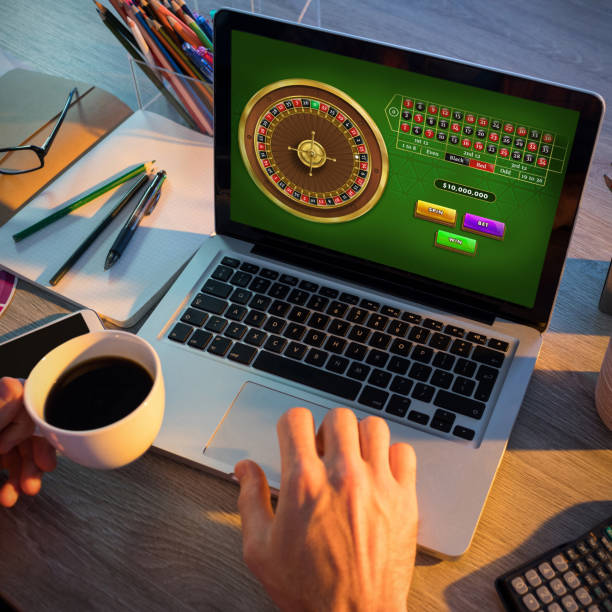
Exploring the Thrills of Online Gambling
Online gambling has revolutionized the way people engage with games of chance and skill. Platforms offering a range of games—from classic table games to modern video slots—make it easier for beginners to start their gambling journey. These platforms often provide attractive bonuses and promotions, enhancing the overall gaming experience.
For those interested in trying their luck, many online casinos also host tournaments and events that create a more interactive environment. This not only provides an opportunity to win but also fosters a sense of community among players. As you navigate this exciting world, exploring different games and strategies can make the experience even more rewarding.