
The evolution of gambling A historical overview from ancient rituals to modern casinos
The Origins of Gambling
The history of gambling stretches back thousands of years, deeply rooted in the cultural practices of ancient civilizations. Archaeological evidence suggests that the earliest forms of gambling emerged in Mesopotamia around 3000 BCE, where dice made from bones were used for games of chance. These early rituals often intertwined with religious beliefs, as games were seen as a way to appease the gods and seek favor in uncertain times. Additionally, today’s players can explore new formats, like online casino games, showcasing how far we’ve come.
In ancient China, gambling also flourished, with records dating back to around 2300 BCE. Chinese citizens engaged in betting on various events, including military outcomes and games involving chance. The introduction of paper money further facilitated these activities, leading to the development of organized betting systems that laid the groundwork for future gambling establishments.
Gambling in Ancient Civilizations
As societies evolved, so did the complexity of gambling practices. The Greeks and Romans embraced games of chance as forms of entertainment and social interaction. In Rome, public gambling houses became popular, attracting citizens from all walks of life. These venues offered a range of activities, from betting on gladiatorial contests to playing games with dice and cards.
During this time, the concept of gambling began to shift from a ritualistic practice to a more recreational activity. The Romans even established laws regulating gambling, highlighting its significance within their culture. This transition marked a pivotal moment in the evolution of gambling, paving the way for its growth in popularity across different regions of the world.
The Middle Ages and the Rise of Gambling Houses
The Middle Ages brought significant changes to gambling, particularly in Europe. Despite the Church’s opposition, gambling continued to thrive, particularly in Italy and France. The first modern gaming houses, known as casinos, began to emerge in Italy during the 17th century. These establishments provided a controlled environment for gambling, offering a variety of games that attracted nobles and commoners alike.
With the rise of casinos, gambling transformed into a more organized and commercial enterprise. The introduction of card games, such as poker and blackjack, became immensely popular, creating new avenues for wagers. The combination of elegance and excitement in these venues captivated audiences, setting the stage for the modern casino experience we recognize today.
The Modern Era of Gambling
The 20th century witnessed a dramatic evolution in gambling practices, especially with the establishment of Las Vegas as the gambling capital of the world. The legalization of gambling in Nevada in 1931 led to the explosion of lavish casinos featuring a wide array of games, entertainment, and hospitality. This era saw the rise of gambling as a mainstream leisure activity, attracting millions of visitors annually.
In addition to physical casinos, technological advancements gave rise to online gambling in the late 1990s. The internet revolutionized the gambling landscape, making it accessible to a global audience. Today, players can enjoy various games from the comfort of their homes, and mobile applications have further expanded the reach of the gambling industry, blending convenience with entertainment.
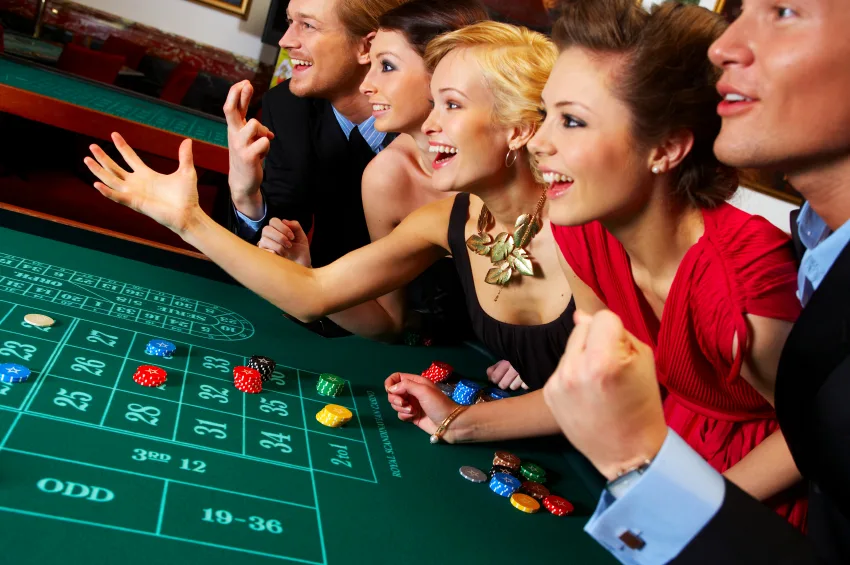
Insights from the Gambling Industry
This website serves as a valuable resource for those interested in the gambling industry, providing the latest updates and insights. With an emphasis on safety and accuracy, the platform aims to deliver comprehensive information about trends, regulations, and emerging technologies shaping the gambling landscape today.
As gambling continues to evolve, it is crucial for enthusiasts and stakeholders to stay informed about the changes and developments in the industry. Whether you’re a casual player or a serious investor, understanding the history and current state of gambling can enhance your experience and knowledge of this fascinating field.