
Cultural insights into gambling beliefs and practices around the world
The Historical Context of Gambling
Gambling has existed for thousands of years, with evidence of betting activities traced back to ancient civilizations such as Mesopotamia, Egypt, and Rome. These early forms of gambling were often tied to rituals and ceremonies, serving not just as a form of entertainment but also as a means of divining the future. For instance, ancient Romans frequently placed wagers on chariot races, which held significant social importance, intertwining betting with public spectacles. In today’s world, many people are on the lookout for the best gambling sites, reflecting how the essence of gambling has evolved and integrated into modern entertainment.
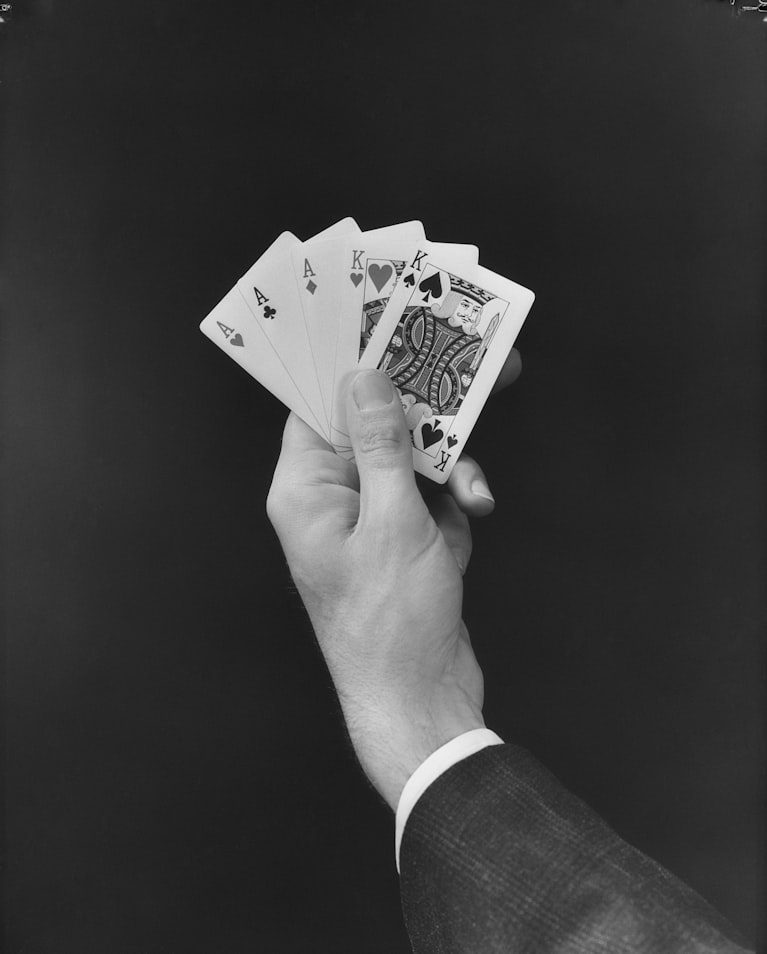
As societies evolved, so did the complexity of gambling activities. The introduction of games like dice, which were used in various cultures, marked a shift towards more organized gambling practices. In China, the invention of playing cards during the Tang dynasty added a new dimension to gambling, influencing games globally. This historical backdrop highlights how gambling practices have been shaped by cultural beliefs, economic conditions, and social structures.
Today, the global landscape of gambling continues to reflect these historical roots. In some cultures, gambling is perceived as a rite of passage or a necessary social activity during significant events. This interplay between history and contemporary practices showcases how cultural attitudes toward gambling are often steeped in tradition, making it a fascinating topic of study and observation.
Cultural Attitudes Toward Gambling
Different cultures exhibit varying attitudes toward gambling, often influenced by religious beliefs and social norms. In countries like the United States, gambling is largely accepted, with state-sanctioned casinos and lotteries thriving. The entertainment aspect of gambling is emphasized, showcasing it as a legitimate leisure activity. However, the American Dream narrative complicates this, with some viewing excessive gambling as a moral failing or a path to ruin.
Conversely, in many Asian cultures, gambling is traditionally viewed through a more spiritual lens. In countries like China, gambling is often associated with luck and fortune, especially during festivals like the Lunar New Year. The practice of playing games such as Mahjong reflects deep-rooted beliefs in luck, with many participating for fun and social interaction rather than purely for monetary gain. This cultural perspective illustrates the significant influence of spirituality on gambling practices.
In regions like Scandinavia, gambling is approached with a sense of caution. While it is legal and regulated, there is a strong emphasis on responsible gambling. Countries like Sweden have implemented strict guidelines to protect players from addiction, stemming from a societal belief that promotes welfare over profit. Such attitudes reveal how cultural context shapes gambling behaviors, impacting how individuals engage with these activities.
The Role of Rituals and Superstitions
Rituals and superstitions play a significant role in gambling beliefs worldwide. For instance, many gamblers in various cultures engage in specific rituals to invoke luck before placing bets. In some African cultures, rituals may include offerings to ancestors or spirits, reflecting a deep belief in the supernatural’s influence on fortune. This intertwining of spirituality and gambling can significantly affect individuals’ approaches to gaming, often leading them to adhere to specific practices before or during gambling activities.
In Western cultures, superstitions are also prevalent. Gamblers may avoid specific numbers or perform particular actions, believing these can influence outcomes. For instance, some players might refrain from wearing a certain color or avoid stepping on cracks while heading to a casino, which they perceive as unlucky. These behaviors underscore the psychological aspects of gambling, highlighting how deeply ingrained beliefs can affect decision-making.
Such rituals and superstitions reveal a universal human tendency to seek control in uncertain situations, especially in activities as unpredictable as gambling. Regardless of cultural background, individuals often cling to these practices, illustrating how gambling is not merely a game of chance but also a profoundly personal experience shaped by beliefs and rituals.
Gambling in Modern Society
In modern society, the proliferation of technology has transformed gambling practices significantly. Online casinos and mobile betting applications have made gambling more accessible than ever, breaking down geographical barriers. This shift raises questions about the implications of gambling in a digital age, particularly regarding regulation and responsible gambling. Many countries are grappling with how to enforce laws and protect consumers in this rapidly evolving landscape.
Furthermore, the normalization of gambling in popular culture, through films, television shows, and celebrity endorsements, has influenced societal attitudes. In many cases, these portrayals glamorize gambling, presenting it as an exciting and glamorous activity. However, this can also lead to misconceptions about the risks involved, especially among younger audiences who may be more impressionable and unaware of the potential consequences.
As gambling becomes increasingly integrated into the fabric of society, there is a growing movement advocating for responsible gambling practices. Various organizations are working to raise awareness about addiction and promote healthy behaviors, emphasizing that while gambling can be a form of entertainment, it should always be approached with caution. This ongoing dialogue reflects the complex relationship between gambling, society, and individual well-being.
Understanding Casino Etiquette Worldwide
Casino etiquette can vary significantly from one culture to another, reflecting local customs and traditions. In American casinos, for instance, players are encouraged to dress in smart casual attire, and there is often a vibrant atmosphere where social interactions are welcome. However, some gamblers may find it intimidating to approach tables or engage with dealers, particularly if they are unfamiliar with local customs.
In contrast, many Asian casinos, especially those in places like Macau, emphasize a more formal atmosphere. Here, players might adhere to more rigid dress codes and display a greater level of decorum. Understanding these differences is essential for anyone traveling to participate in gambling activities in foreign venues, as it can significantly impact the overall experience and enjoyment.
Moreover, casino etiquette also includes behaviors such as tipping dealers and respecting fellow players. These practices can enhance the social experience of gambling and create a more enjoyable environment for everyone involved. For international travelers, being aware of these cultural nuances is crucial, as it demonstrates respect for local customs and can lead to a more rewarding experience at the tables.
Conclusion and Further Exploration
Exploring the cultural insights into gambling beliefs and practices around the world offers a fascinating glimpse into human behavior, beliefs, and social interactions. As demonstrated throughout this article, gambling is more than just a game of chance; it is deeply embedded in cultural contexts, influencing individual attitudes and societal norms. Each culture brings its unique perspectives, from historical roots to modern adaptations, showcasing how diverse the landscape of gambling truly is.
For those interested in delving deeper into this topic, the website serves as an excellent resource for further exploration. It offers a secure environment for users seeking detailed insights into gambling practices, etiquette, and cultural beliefs across various regions. By engaging with the content provided, readers can enhance their understanding and appreciation of gambling as a multifaceted cultural phenomenon.